Category: Uncategorised

  • Tree planting season is underway

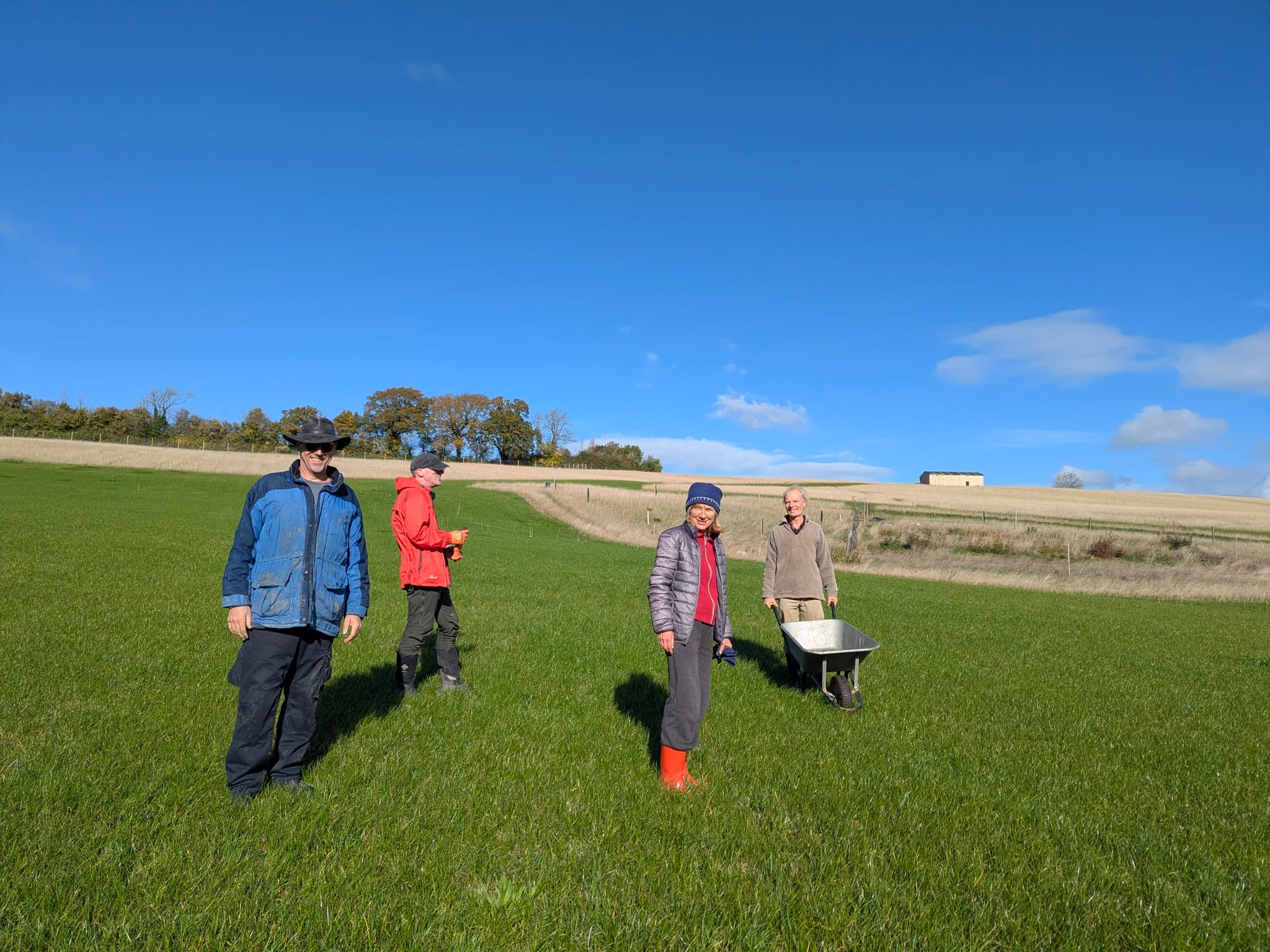
    We planted our first trees in late October and we have tree planting days planned through to the end of 2025 (and more in January).

    It’s great to get trees planted early in the season. The trees will do better if we get a hot dry Spring, and the weather is brighter and warmer for us than it will be in the New Year.

    We’re planting “cell-grown” trees rather than bare-root trees at this time of year. The trees come with soil on their root ball and they aren’t fully dormant yet. We have over 20 different species of native trees and shrubs to plant, creating a diverse, resilient and wildlife friendly woodland.

    If you’d like to join one of the planting days this season please get in touch.

  • Plans for Winter 2025/2026

    We’re busy preparing for the tree planting season, which traditionally runs from November until March.

    In reality, with warmer winters the dormant period for trees doesn’t start until December, so bare root trees can’t be planted until then. Most modern tree nurseries are moving away from “bare root” to “cell-grown” (pot-grown) trees, which can be planted earlier. I’m hoping to get started in October with cell-grown trees.

    The trees that fared worst last winter were those planted when the ground was saturated in December-February. The clay soil shrunk around them as it dried out and cracks exposed the roots, killing many trees. I hope that this year by starting earlier that can be avoided.

    Those trees which didn’t survive hot dry 2025 will be replaced. However I’m planning to wait another year to be more certain which are alive, my past experience is that some apparently dead trees will regrow from the roots the following year. So this winter we’ll probably mostly plant the areas of the site which weren’t planted at all last winter.

    In summer 2025, a neighbouring farmer cut the grass in the unplanted half of the site to make hay. By summer 2026 there won’t be much unplanted space left for making hay. The grass will still grow between the trees but as it dies back in the autumn it will mulch the soil, adding much-needed organic matter to the clay. The seven acres of clearings will still need to be mown every year or two (or three?) to stop them becoming scrub, I don’t have firm plans yet for how they will be managed.

  • Dry hot 2025

    I heard that Spring 2025 was the driest since 1961. The drought continued into the summer and the soil with a high clay content is cracked and rock hard. Many of the trees that we planted are struggling to survive due to a lack of water. All of them will be set back compared to the growth that we would have seen in a wetter year.

    It’s not practical or cost-effective to water the trees. Some will die, they will be replaced as part of next winter’s planting plans.

    Planting woodlands can help to protect us from future extreme weather – providing shade, natural flood management, protection from wind.

    We’ll check all the trees in September and identify any which need replacing.

  • Open Space

    Of the thirty-four acres here, seven acres will remain open space. This will form multiple clearings and ten meter wide rides between each of the five major blocks of woodland and around the site perimeter. This means that there will be lots of woodland edges, which will have a variable width border of shrubby species and smaller trees. These will provide shelter and food for wildlife, much of the wildlife in a woodland inhabits the edges rather than the high canopy or the shaded interior.

    The seven acres (20%) of open space is a requirement of the EWCO funding which is paying for the trees. I’m very happy with this, it’s what I would have done anyway.

    What to do with seven acres of open space, currently agricultural grass? I’m not sure yet but it’s a nice problem to have.

    For a few years there’s the opportunity to make silage (or hay) for livestock feed. This isn’t my area of expertise but I understand that as “weed” species infiltrate the grass, the silage becomes less desirable.

    I think that the site characteristics (soil, aspect) make it suitable for wild flower seeding. Another thing of which I have little knowledge or experience but I’m certainly going to learn.

    Livestock grazing would probably be impractical as immature trees would have to be protected from the livestock. This could be achievable by temporary electric fencing but this might not be practical because it’s not a single block of space that could be easily fenced.

    Creating some wildflower meadow is on the cards for some parts of the site. Wildflowers might arrive naturally but they will probably struggle to thrive amongst the tough agricultural grass which dominates at present. With some help and encouragement I think wildflowers could thrive here.

    I’ll turn my attention to this question once I have the tree planting under control. Ideas on a postcard please!
  • Why “Third Wood”?

    It’s a nice name. My friend Clare said it sounds “a bit Winnie-the-Pooh”.

    It’s a unique name, as far as I could tell. There are no other woods with the same name. A bit like my own name.

    I’ve planted two woods before (but I didn’t name them First Wood and Second Wood). Everything I learned along the way is going into Third Wood.

    I’ll finish planting this wood if it kills me. And if it does then please somebody rename it Last Wood 🙂